Airport lounges, types, amenities, and access
Airline clubs, independent lounges, and card-owned rooms. What's inside and how entry actually works.
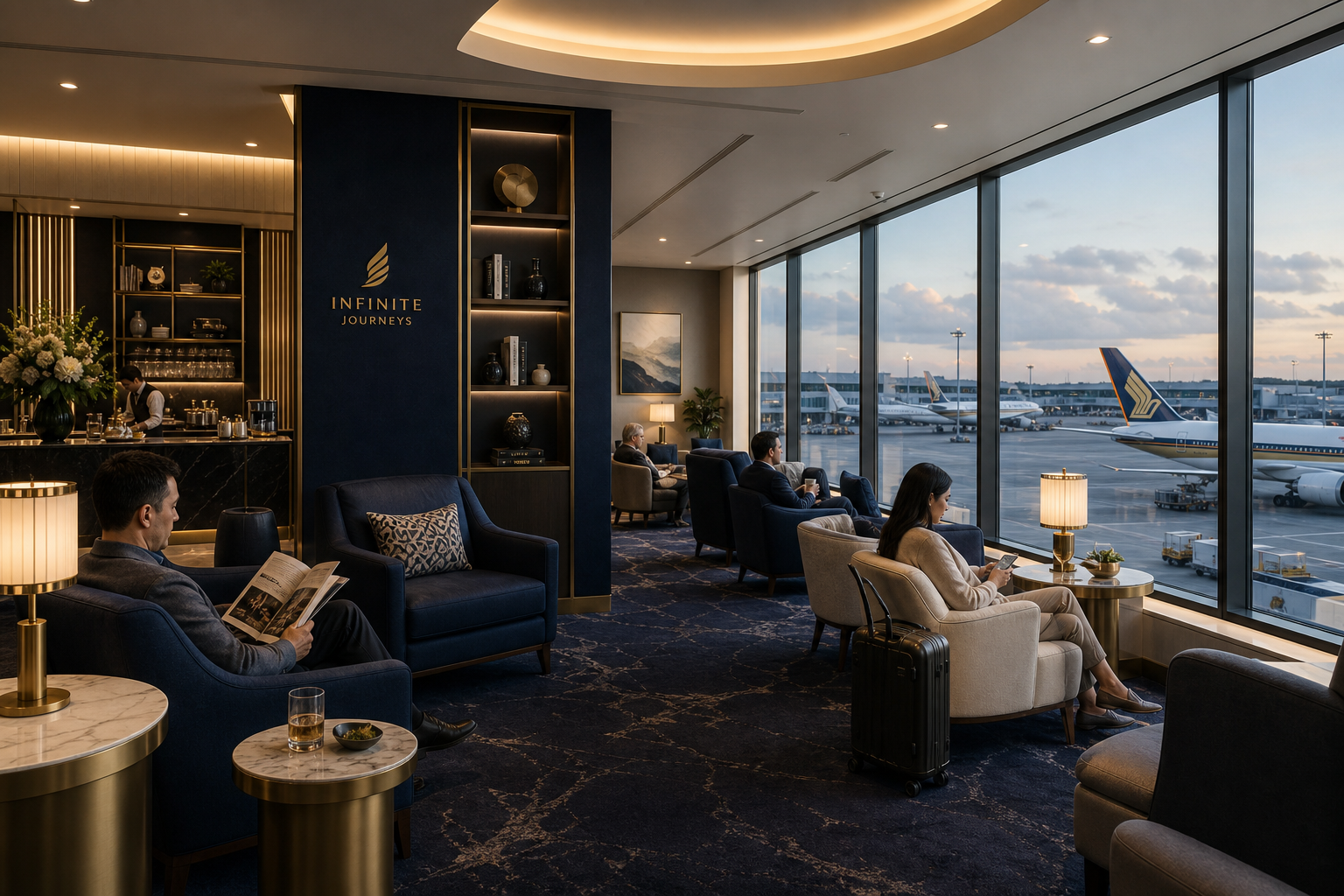
An airport lounge is a private waiting room with better food, quieter seating, and fewer announcements blaring over the PA. The catch is that every lounge has different rules about who gets in.
Types of lounges

Airline lounges
Run by the carrier: Admirals Club, Delta Sky Club, United Club, and so on. Usually near that airline's gates. Entry is tied to flying that airline in a premium cabin or holding qualifying elite status.
Independent lounges
Plaza Premium, The Club, and similar operators serve multiple airlines. Access via day pass, Priority Pass, or other memberships. Good when you split flights across carriers.
Card-owned lounges
Amex Centurion, Chase Sapphire, Capital One build their own spaces for cardholders. Fewer locations, higher finish, stricter entry (card in hand, same-day boarding pass, guest limits).
What you'll find inside
Comfort: Real chairs, quiet corners, and at some locations showers for long connections.
Food and drink: Ranges from packaged snacks and a coffee machine to full buffets and bar service. Don't expect a restaurant unless you're in a flagship location.
Work setup: Wi-Fi, power outlets, and sometimes printers or small meeting rooms.
Extras: Spa treatments, nap pods, and family rooms show up in some premium lounges but not most. Check the listing for your airport.
Ways in
Credit cards. Amex Platinum, Chase Sapphire Reserve, Capital One Venture X and others include lounge benefits or bundled Priority Pass. Activation and guest rules vary by issuer.
Status or ticket. Elite frequent flyer tiers and business/first tickets often include club access on the travel day.
Memberships. Priority Pass and airline club subscriptions for people who want access without tying it to one card.
Airline vs. independent: when each wins
Airline lounges make sense when you fly one carrier regularly and hold status or a premium fare on that airline. The room is built around that airline's passengers.
Independent lounges make sense when your tickets are mixed, you rely on Priority Pass, or your airline doesn't have a club in that terminal.
Neither option is free unless you already paid for it through a ticket, status, card, or membership. Factor that in before you detour across the airport.
Why bother
Lounges buy you space and food at a time when both are scarce in the terminal. For a two-hour delay or an early arrival, that can be worth the walk.
The hard part is knowing whether you're eligible. That's the problem LoungeAdvisor is built to solve: your wallet in, lounge list out, with guest counts and caveats attached.